All Categories

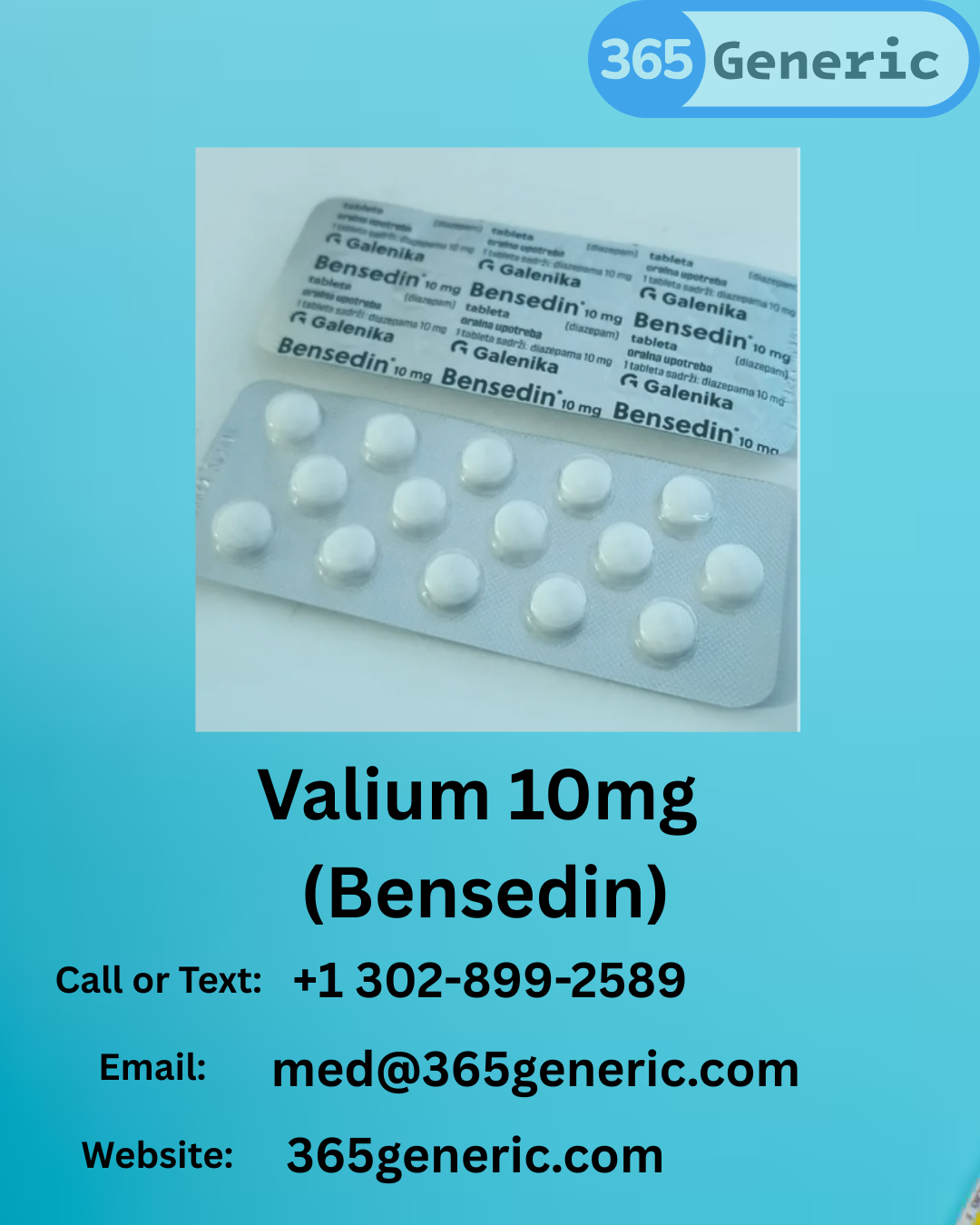
Bensedin 10mg contains diazepam 10 mg, a prescription medication belonging to the benzodiazepine class. It is used to help manage several conditions affecting the central nervous system, including anxiety disorders, muscle spasms, alcohol withdrawal symptoms, and as an adjunctive treatment for certain seizure disorders.
Diazepam works by calming excessive nerve activity in the brain, helping relieve anxiety, reduce muscle stiffness, and control specific neurological symptoms. Because it may cause drowsiness, physical dependence, and withdrawal symptoms, it should only be used under the guidance of a qualified healthcare professional.
Generic Name: Diazepam
Brand Name: Bensedin
Strength: 10 mg
Drug Class: Benzodiazepine
Dosage Form: Oral Tablet
Prescription Status: Prescription-only medication
Diazepam enhances the activity of gamma-aminobutyric acid (GABA), a neurotransmitter responsible for reducing excessive nerve activity in the brain and spinal cord.
By increasing GABA activity, Diazepam helps:
The medication treats symptoms but does not cure the underlying condition.
Healthcare providers may prescribe Bensedin for:
The appropriate use depends on your diagnosis, overall health, and treatment plan.
When used exactly as prescribed, Diazepam may help:
Treatment response varies from person to person.
Take Diazepam exactly as prescribed by your healthcare provider.
General recommendations include:
Never share your medication with another person.
Many people begin noticing its effects within 30 to 60 minutes after taking an oral tablet.
Because Diazepam can impair alertness and coordination, avoid driving or operating heavy machinery until you know how the medication affects you.
Common side effects include:
Many of these effects improve as your body adjusts to treatment.
Seek immediate medical attention if you experience:
These reactions require urgent medical care.
Tell your healthcare provider before taking Diazepam if you have:
Older adults may be more sensitive to Diazepam's effects and may have an increased risk of falls and confusion.
Diazepam may interact with:
These combinations can increase the risk of excessive drowsiness, impaired breathing, and serious adverse effects.
Always tell your healthcare provider about every prescription medicine, over-the-counter product, vitamin, and herbal supplement you are taking.
Diazepam may cause physical dependence, particularly with long-term use or higher doses.
Do not stop taking Diazepam suddenly without medical supervision. Abrupt discontinuation may cause withdrawal symptoms, including:
If treatment needs to be discontinued, your healthcare provider will usually recommend gradually reducing the dose.
If you miss a dose:
If you are unsure what to do, contact your healthcare provider or pharmacist.
Store Bensedin tablets:
Dispose of unused medication according to local pharmacy or medicine take-back recommendations.
To support your treatment:
Do not drive or operate machinery until you know how the medication affects you.
Diazepam 10mg (Bensedin®) is prescribed for anxiety disorders, muscle spasms, alcohol withdrawal, and certain seizure disorders under medical supervision.
Many people notice symptom relief within approximately 30 to 60 minutes after taking an oral tablet.
Yes. Drowsiness and dizziness are common side effects, especially when beginning treatment or after a dose increase.
No. Alcohol can significantly increase sedation and the risk of serious breathing problems and other adverse effects.
Yes. Diazepam has the potential to cause dependence, particularly when used for extended periods or at higher doses.
No. Abruptly stopping Diazzepam may lead to withdrawal symptoms. Your healthcare provider can recommend a gradual dose reduction when appropriate.
Diazepam 10mg (Bensedin) is a prescription benzodiazepine that can help manage anxiety disorders, muscle spasms, alcohol withdrawal symptoms, and certain seizure disorders when used appropriately under medical supervision. It may provide effective symptom relief and improve daily functioning as part of an individualized treatment plan.
Because Diazepam carries important risks—including drowsiness, impaired coordination, dependence, withdrawal symptoms, and serious interactions with alcohol and other sedating medicines—it should only be taken exactly as prescribed. If you experience concerning side effects or your symptoms worsen, seek advice from your healthcare provider promptly.
This information is provided for educational purposes only and is not intended to replace professional medical advice, diagnosis, or treatment. Always consult a qualified healthcare provider before starting, stopping, or changing any medication.